
Coffee’s origins trace back over a thousand years to Ethiopia, where legend says a goat herder named Kaldi discovered its energizing effects. From there it spread to Yemen in the 15th century, fueling Sufi monks during long nights of prayer and inspiring the first coffeehouses across the Arabian Peninsula.
By the 1600s, coffee reached Europe, where it quickly became a preferred morning drink—earning even the approval of Pope Clement VIII. European traders then carried it to the Americas, where it thrived. Today, coffee is a global staple and one of the world’s most valuable commodities.

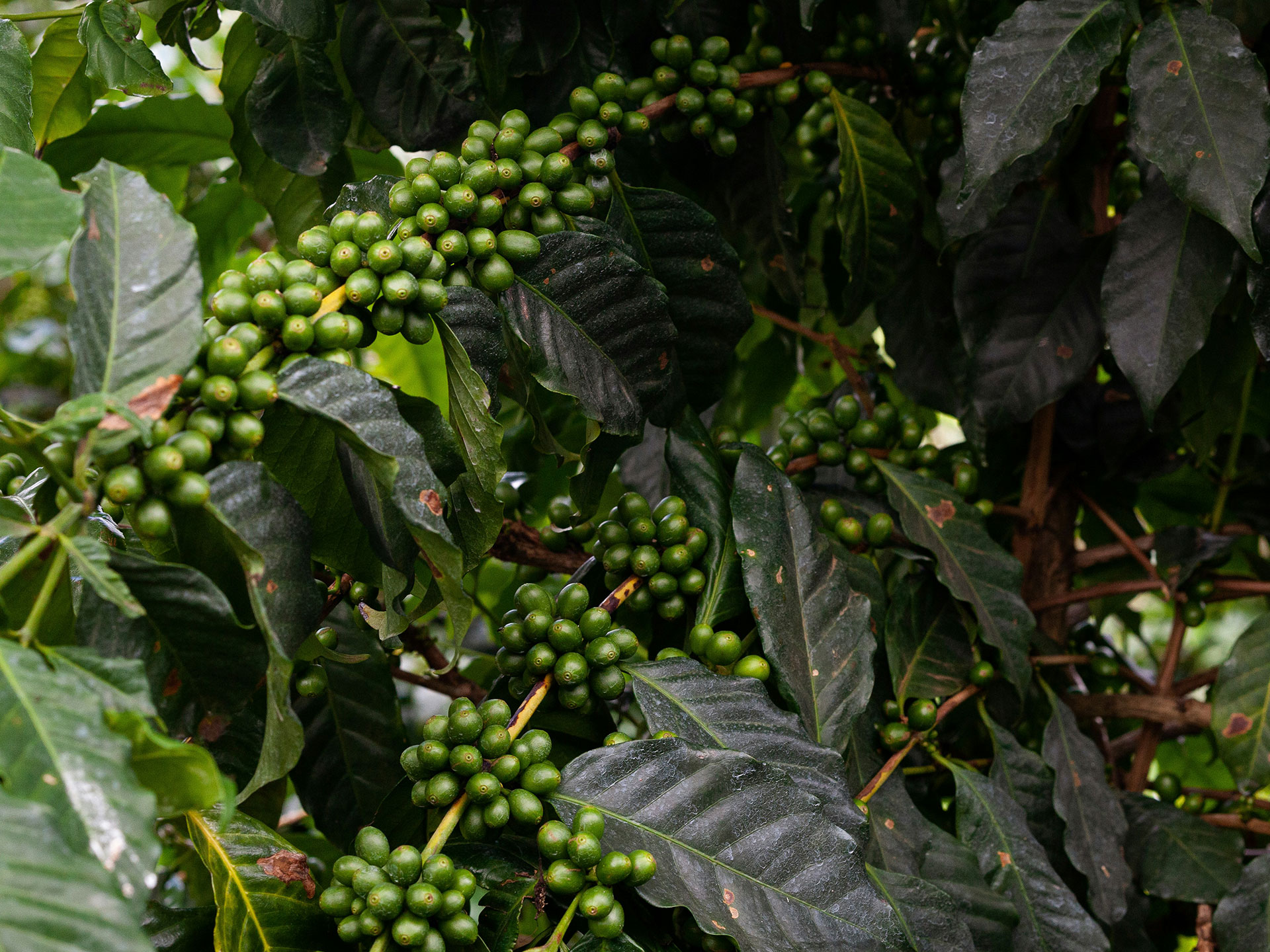
Coffee plants thrive in tropical climates known as the “coffee belt.” The two main species are Arabica (smooth, aromatic) and Robusta (strong, high in caffeine).
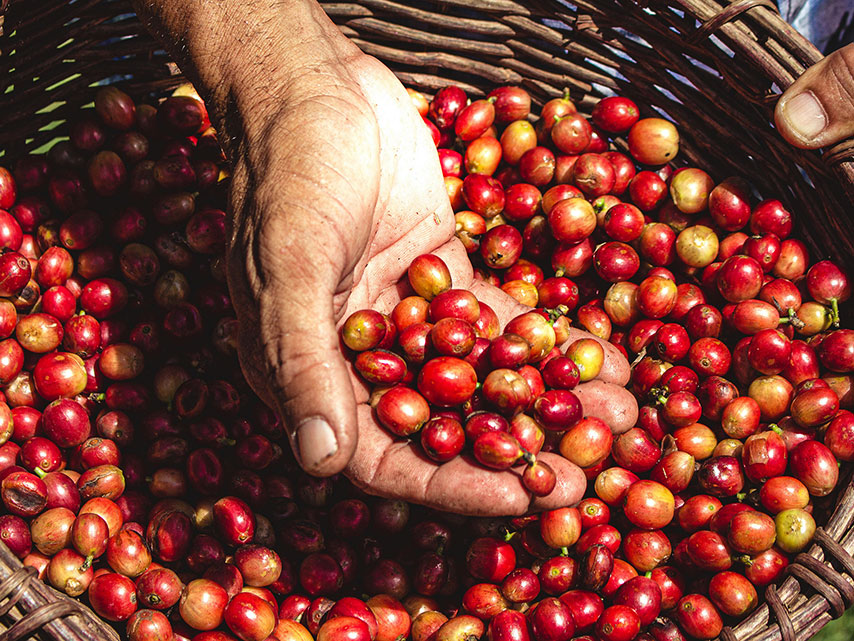
Ripe coffee cherries are handpicked when they turn bright red. This careful selection ensures quality.
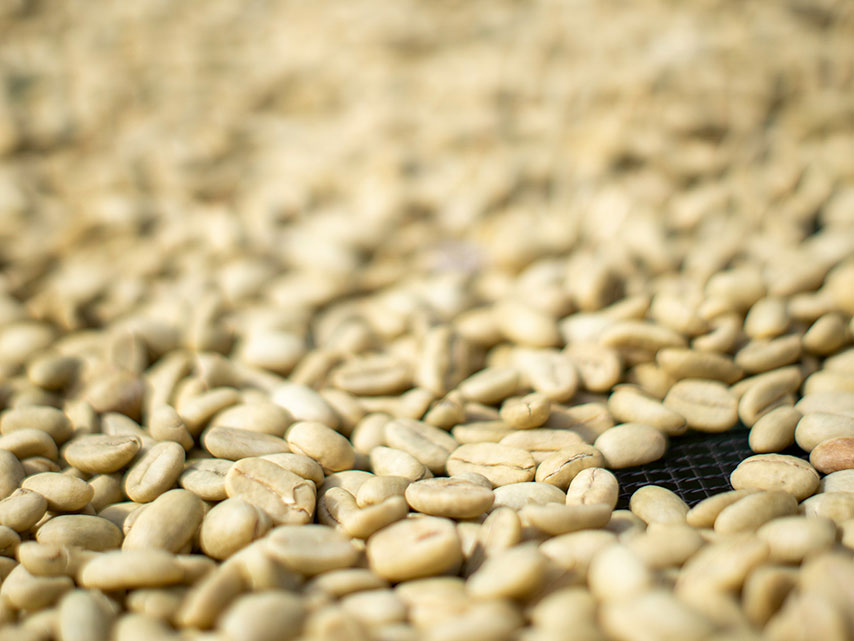
The cherries are processed to remove the beans inside, either by the wet method (fermenting and washing) or dry method (sun-drying).
The beans are dried, hulled, and graded by size, colour, and quality.
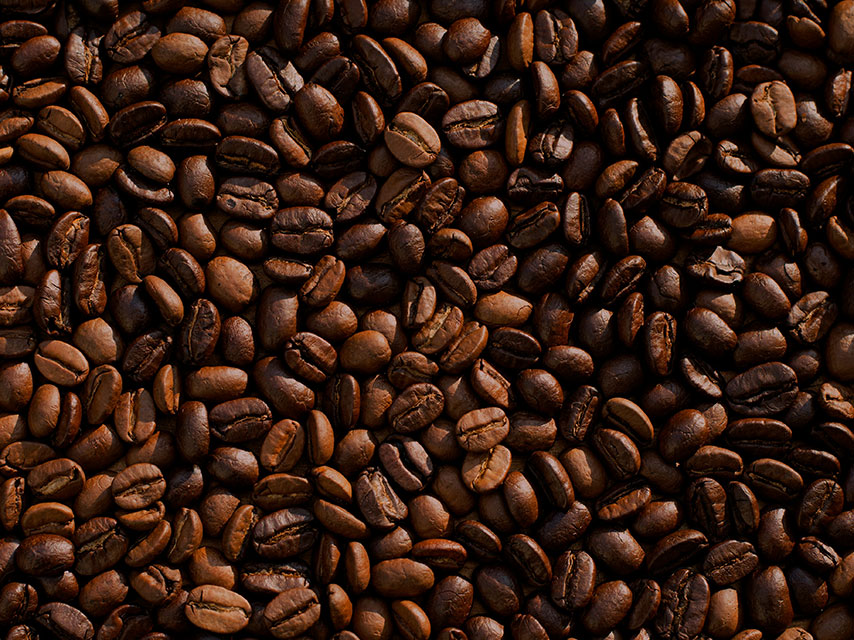
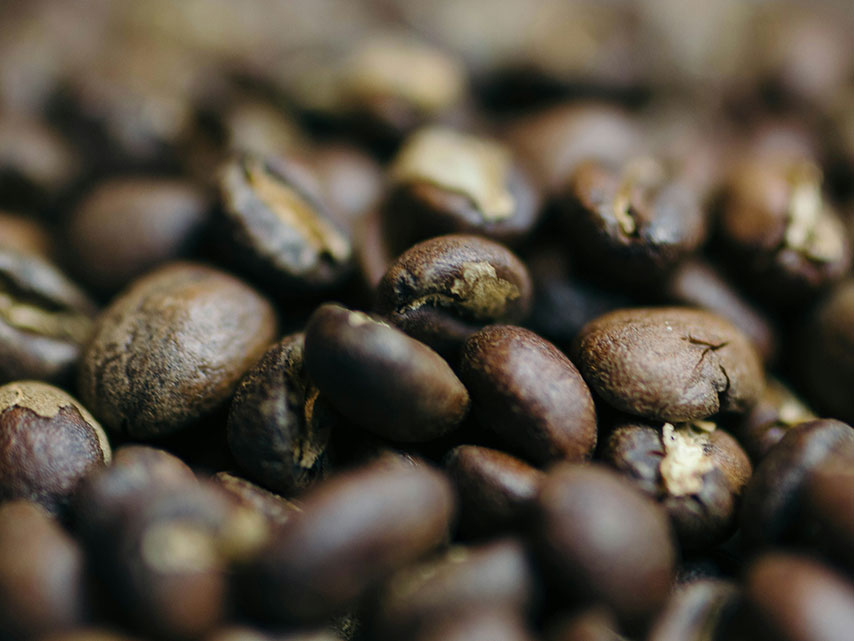
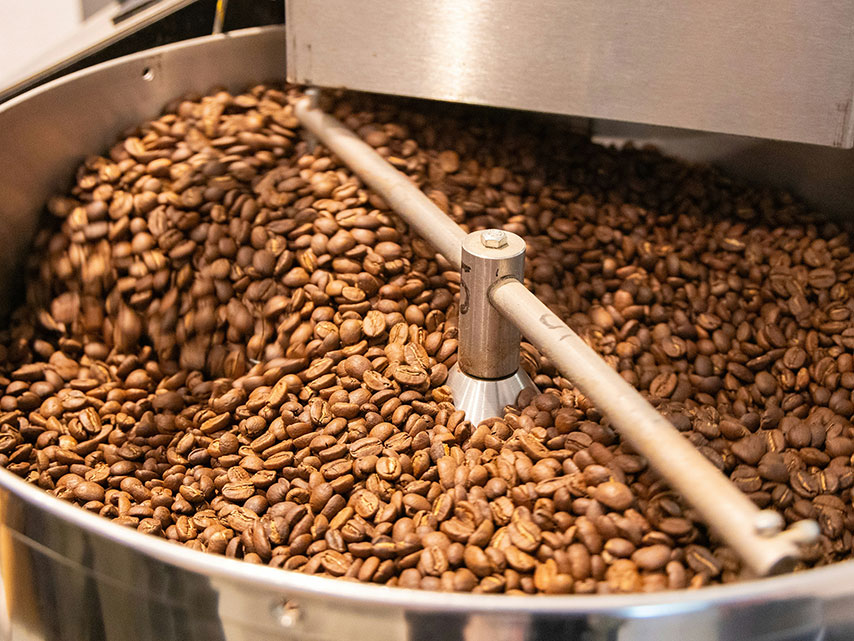
This is where the magic happens - green beans are roasted at high temperatures, developing their aroma, flavour, and colour. Light roasts are bright and fruity, while dark roasts are bold and smoky.
Roasted beans are ground to a specific coarseness depending on the brewing method (coarse for French press, fine for espresso).
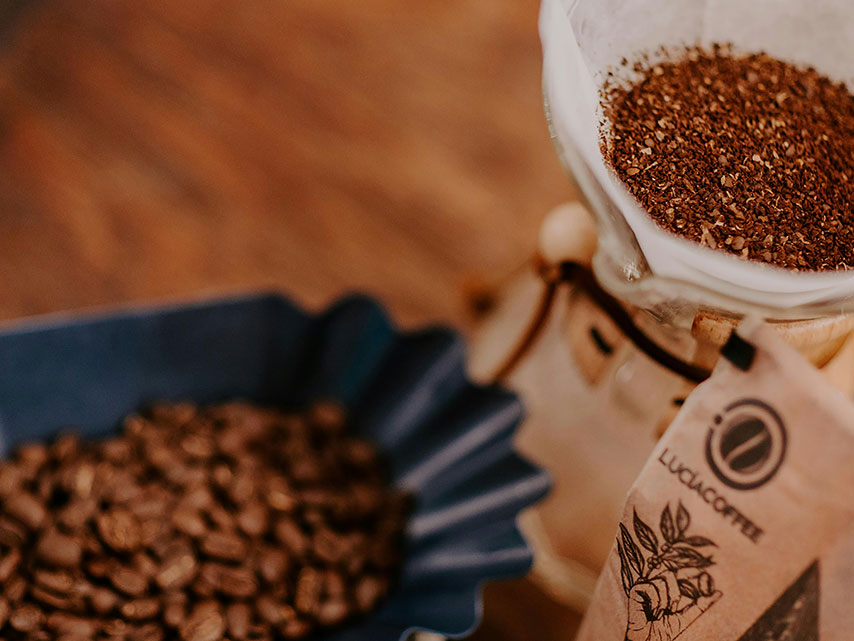
Finally, hot water extracts the flavours from the grounds. Popular methods include pour-over, espresso, French press, and drip brewing.

The finished cup reflects countless steps of craftsmanship - from the farmer’s care to the roaster’s expertise and the brewer’s precision.